Achievements
30 years of translational hematology
Pioneering the genetic and epigenetic control of stem cells, redefining acute myeloid leukemia, and translating discoveries into global clinical trials.
30+
Years of translational hematology
123+
Patients transplanted internationally
~700
Primary AML specimens mapped
132
Trainees mentored worldwide
A visual briefing of our impact
The highlights below trace the lab’s journey from fundamental stem cell biology to bench-to-bedside therapies. Download the full briefing to explore every milestone in detail.
30 Years of Translational Hematology
Three decades pioneering the genetic and epigenetic control of stem cells, redefining acute myeloid leukemia (AML), and translating discoveries into global clinical trials.
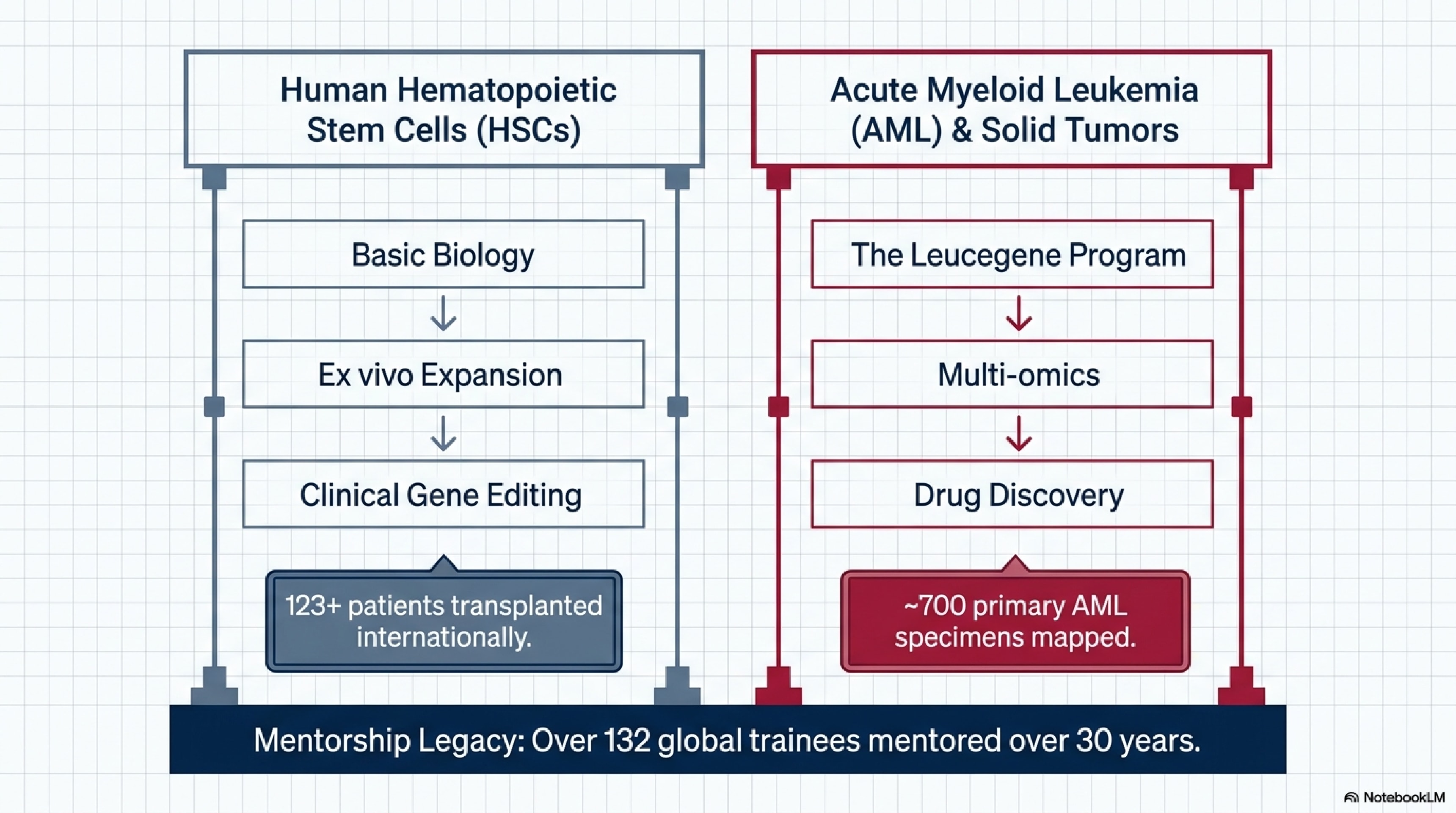
Two research engines, one legacy
From HSC basic biology to ex vivo expansion and clinical gene editing (123+ patients transplanted), and from the Leucegene program through multi-omics to drug discovery (~700 AML specimens mapped) — supported by 132 trainees mentored over 30 years.

Defining the framework of HSC self-renewal
Identification of HOXB4 and the polycomb gene BMI1 as essential regulators, a genetic screen uncovering 19 distinct nuclear factors and chromatin modifiers, and the central role of asymmetric cell division in stem cell biology.
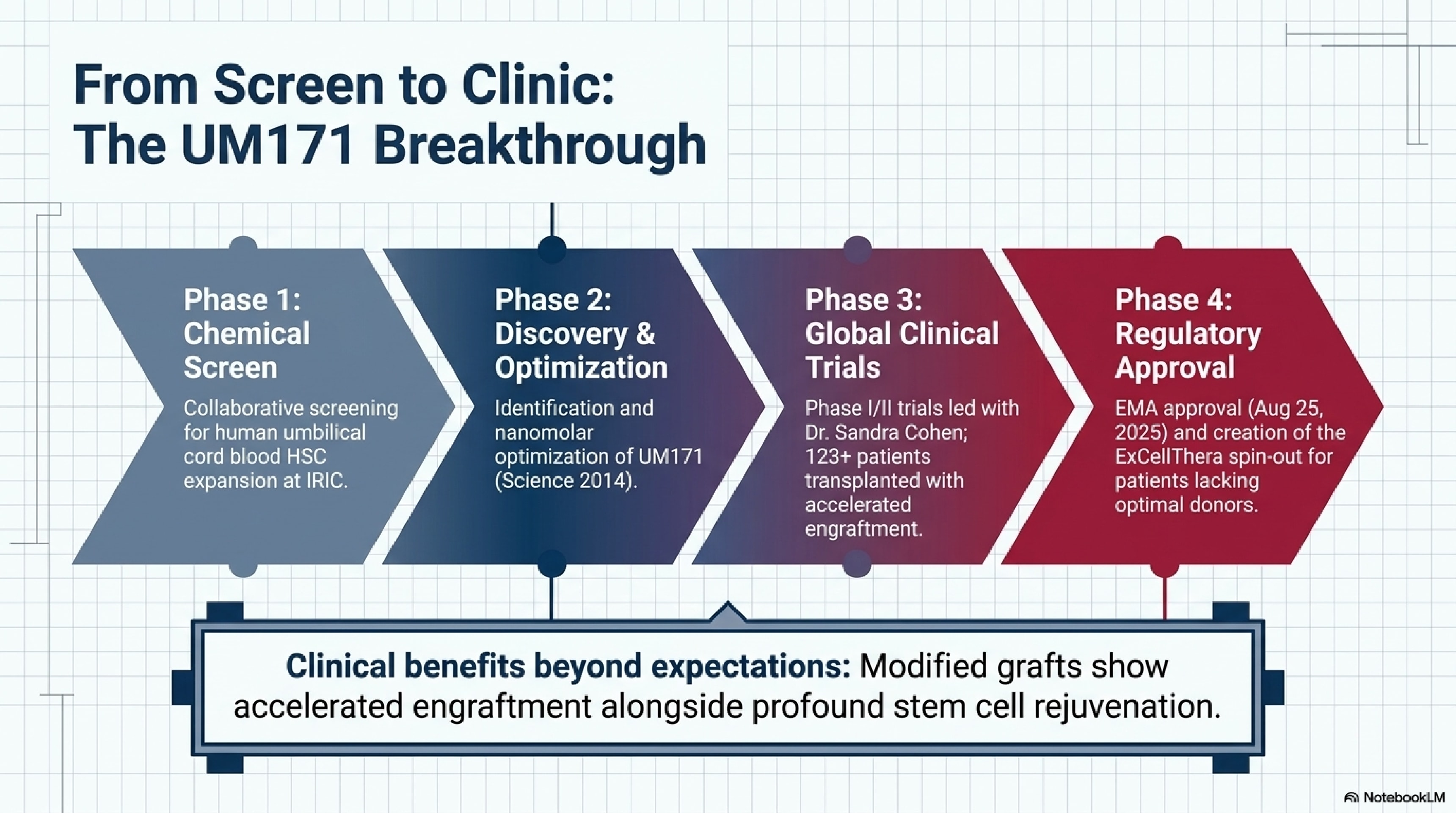
From screen to clinic: the UM171 breakthrough
A chemical screen for cord blood HSC expansion led to the discovery and nanomolar optimization of UM171 (Science, 2014), Phase I/II trials with 123+ patients, EMA approval (Aug 2025), and the ExCellThera spin-out.
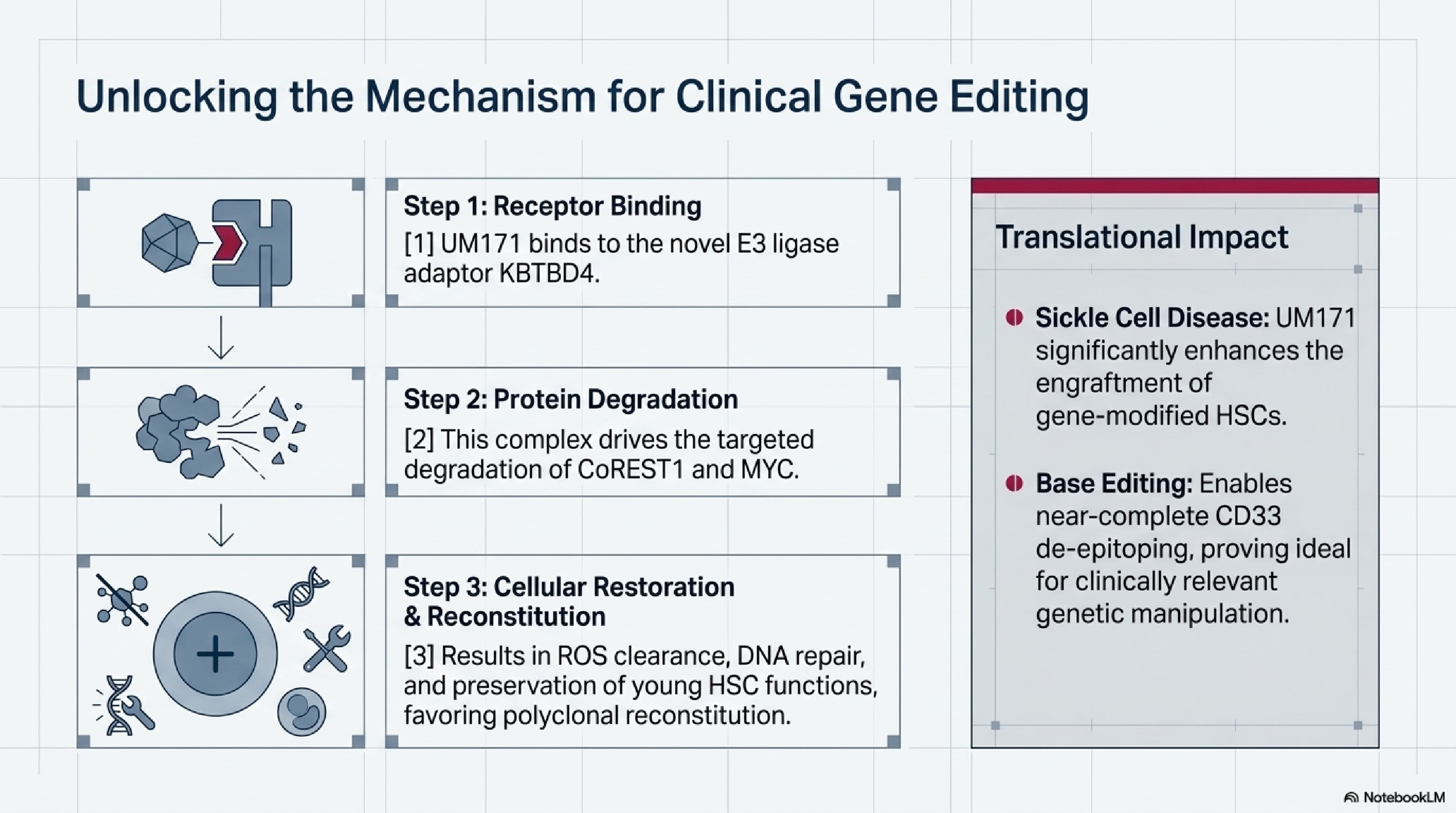
Unlocking the mechanism for clinical gene editing
UM171 binds the E3 ligase adaptor KBTBD4, driving degradation of CoREST1 and MYC to restore young HSC function — enhancing engraftment of gene-modified HSCs in sickle cell disease and enabling near-complete CD33 base editing.
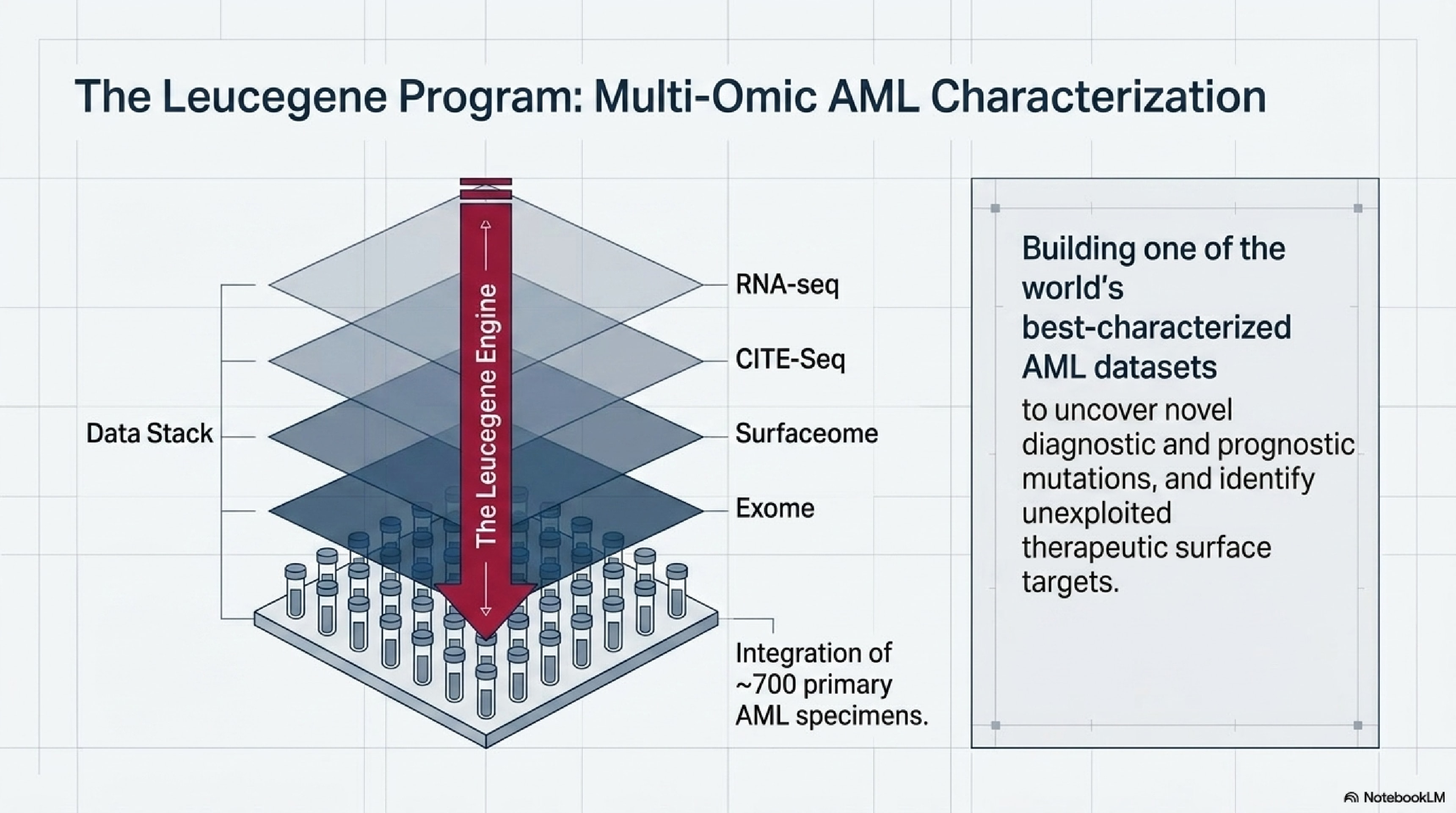
The Leucegene program: multi-omic AML characterization
Integration of RNA-seq, CITE-Seq, surfaceome, and exome data across ~700 primary AML specimens — one of the world’s best-characterized AML datasets for novel diagnostic, prognostic, and therapeutic targets.
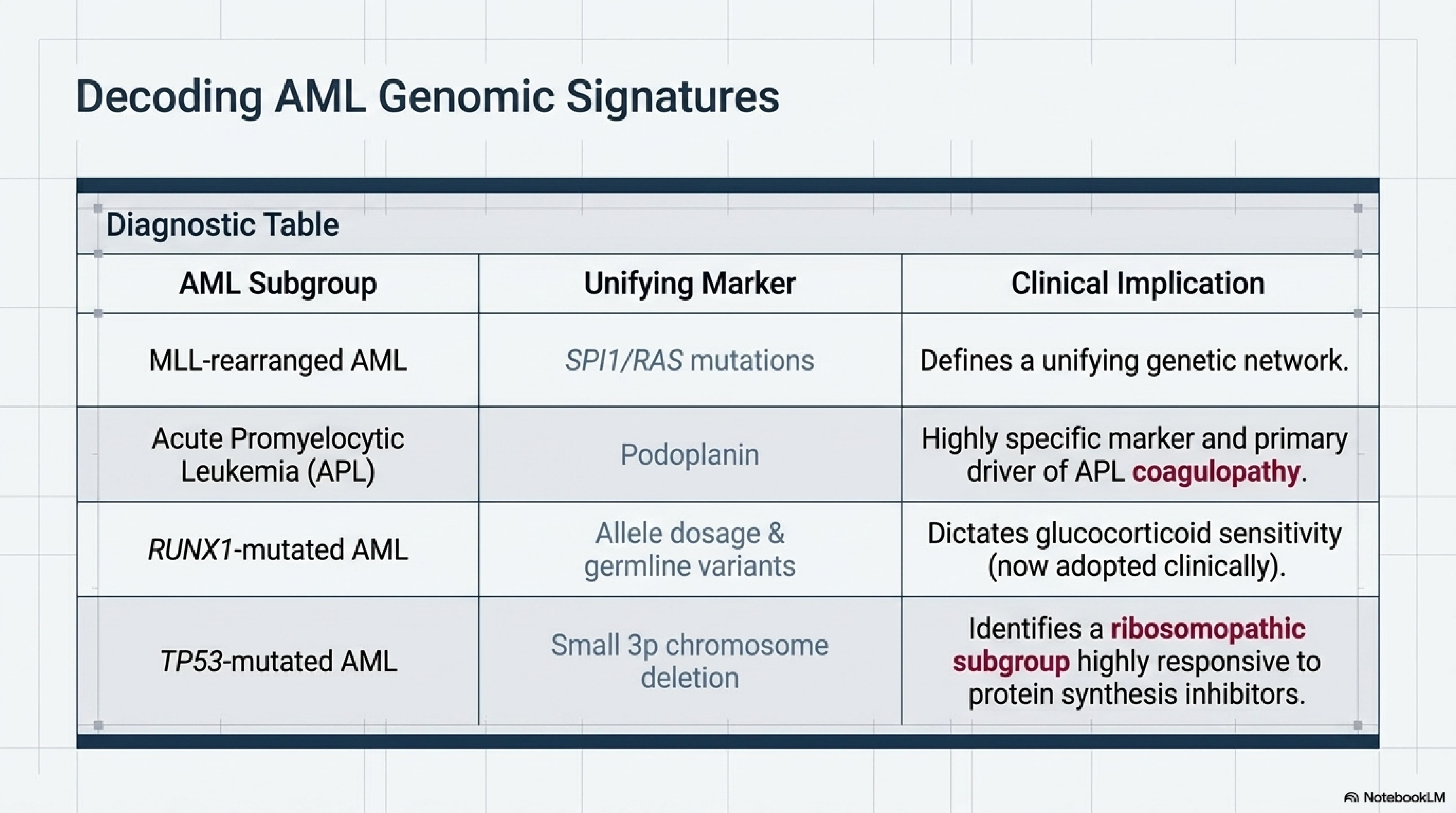
Decoding AML genomic signatures
Unifying markers across AML subgroups — MLL-rearranged (SPI1/RAS), APL (podoplanin), RUNX1-mutated (allele dosage), and TP53-mutated (3p deletion) — several now adopted in clinical practice.
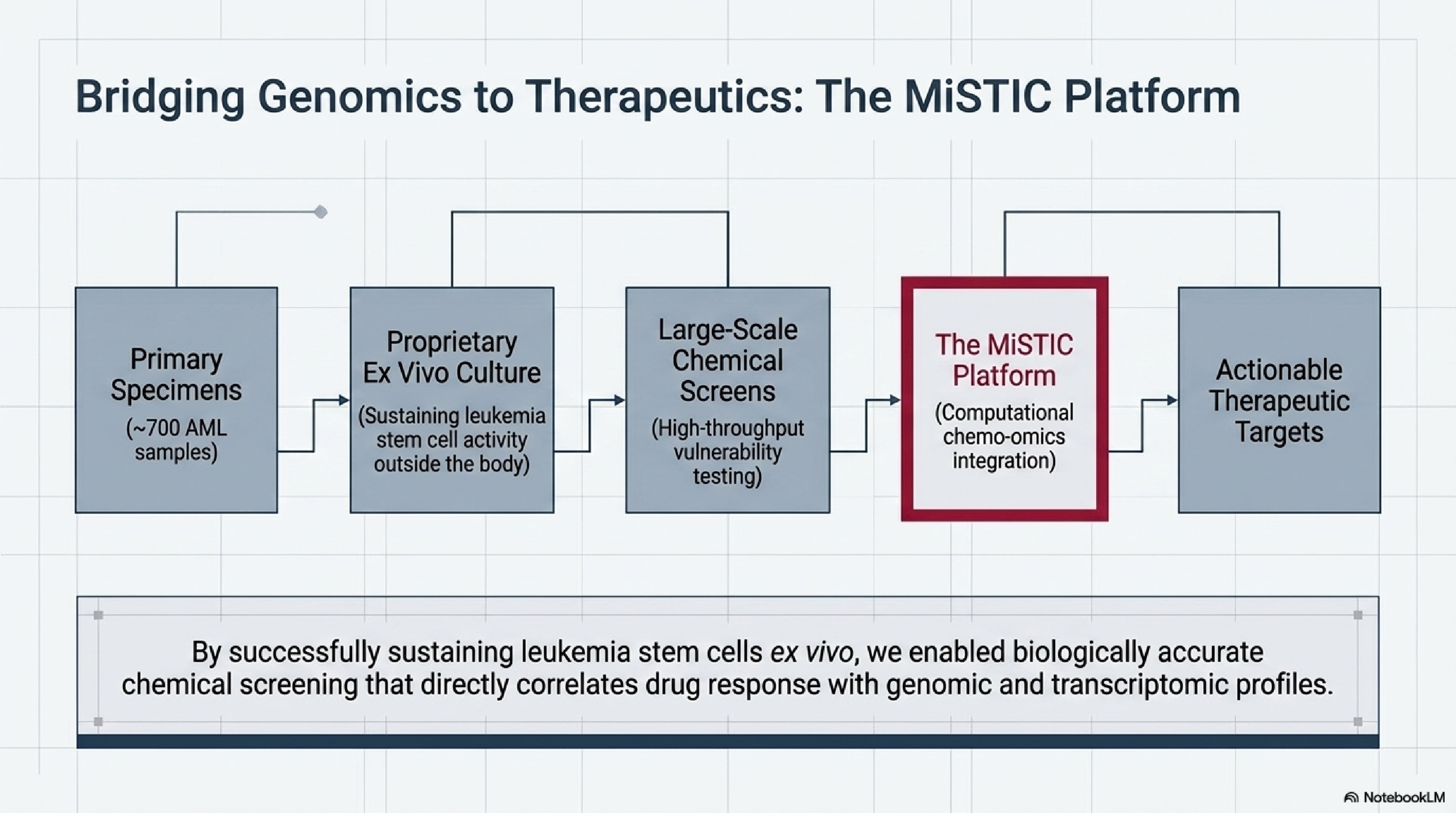
Bridging genomics to therapeutics: the MISTIC platform
Sustaining leukemia stem cells ex vivo enabled biologically accurate, large-scale chemical screens that directly correlate drug response with genomic and transcriptomic profiles to reveal actionable targets.
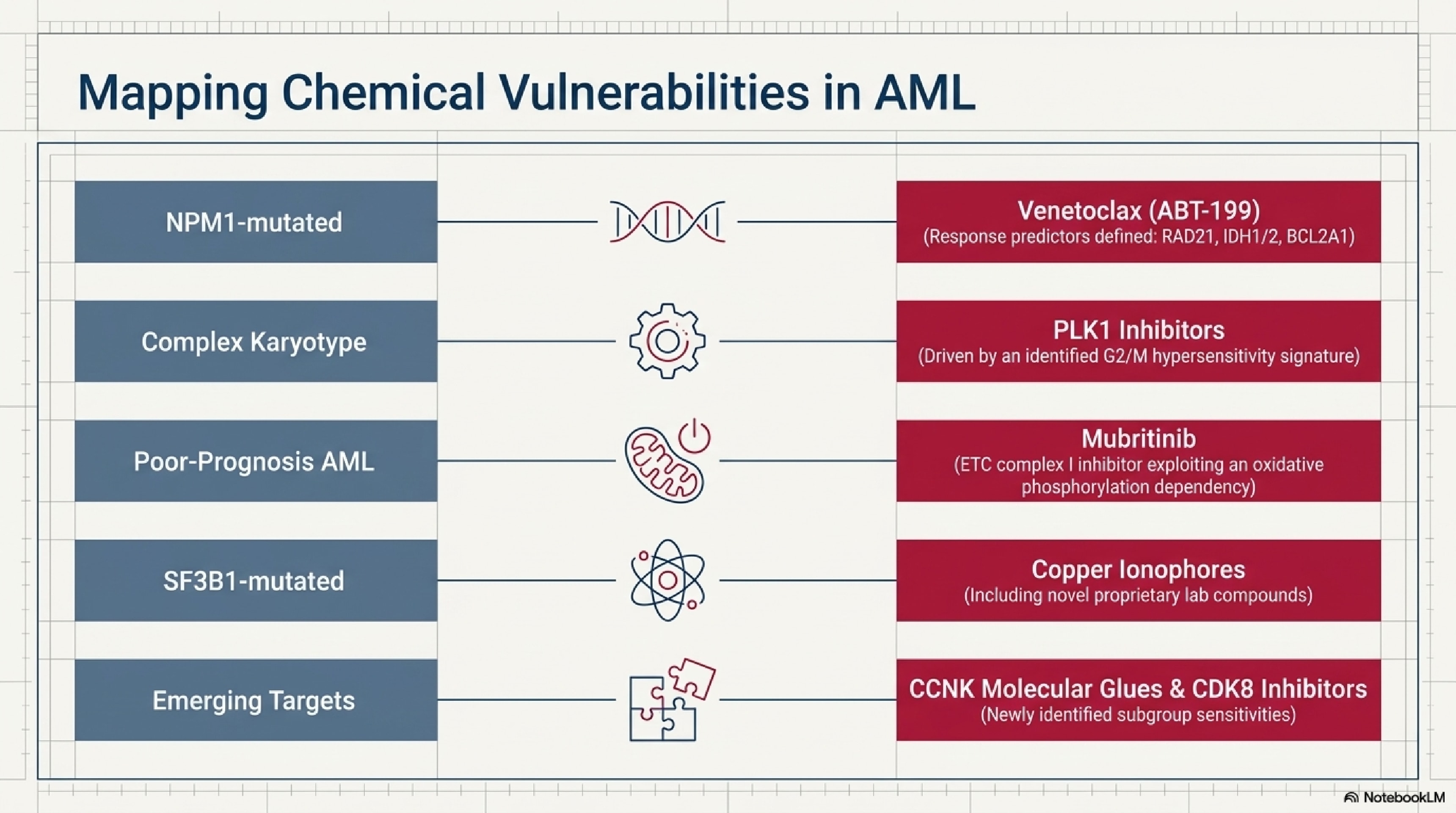
Mapping chemical vulnerabilities in AML
Matching AML genotypes to therapies: Venetoclax response predictors, PLK1 inhibitors, mubritinib (OXPHOS dependency), copper ionophores, and CCNK molecular glues / CDK8 inhibitors.
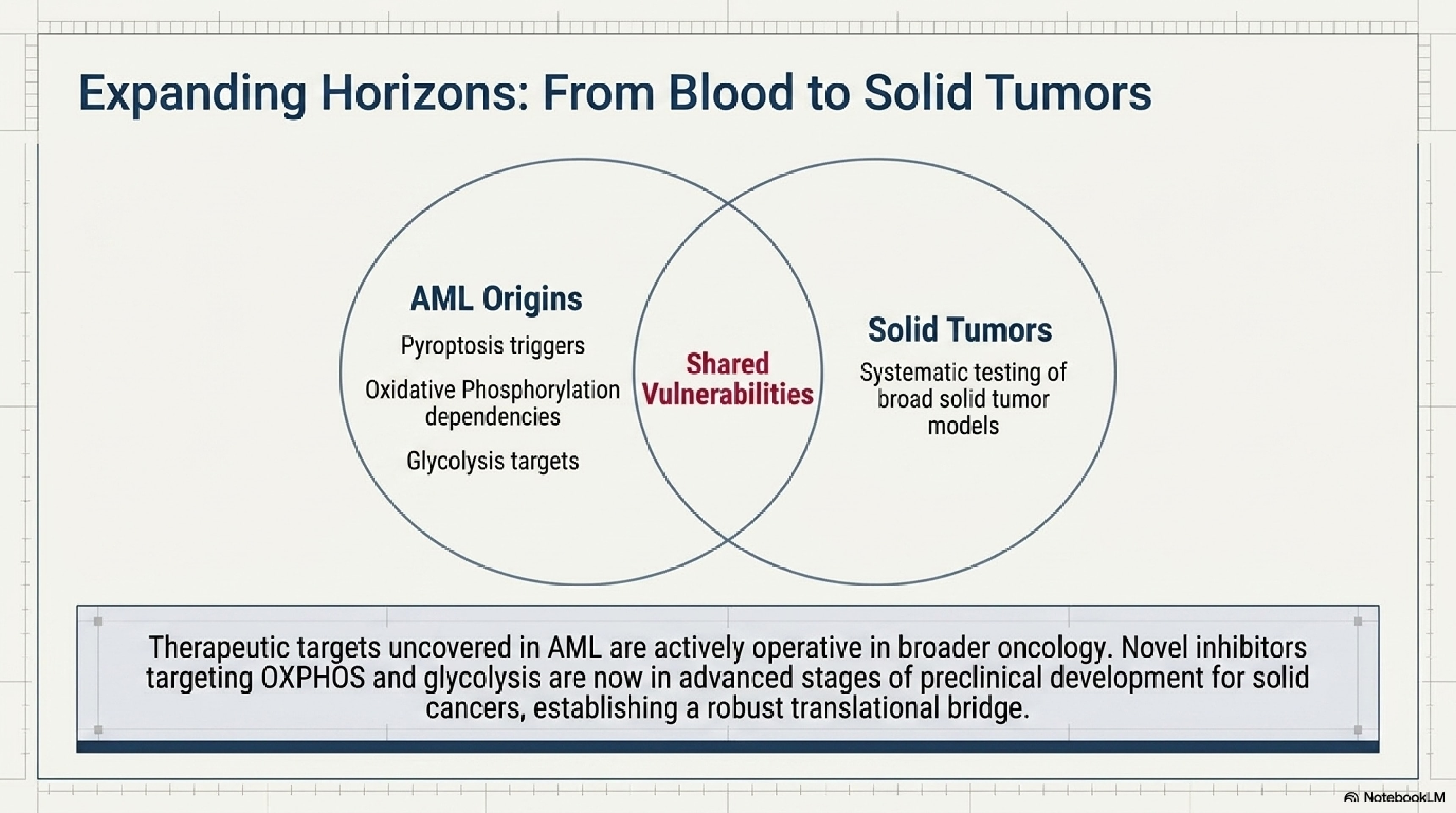
Expanding horizons: from blood to solid tumors
Vulnerabilities uncovered in AML — pyroptosis triggers, oxidative phosphorylation, and glycolysis — are shared with solid tumors, establishing a translational bridge with novel inhibitors in preclinical development.
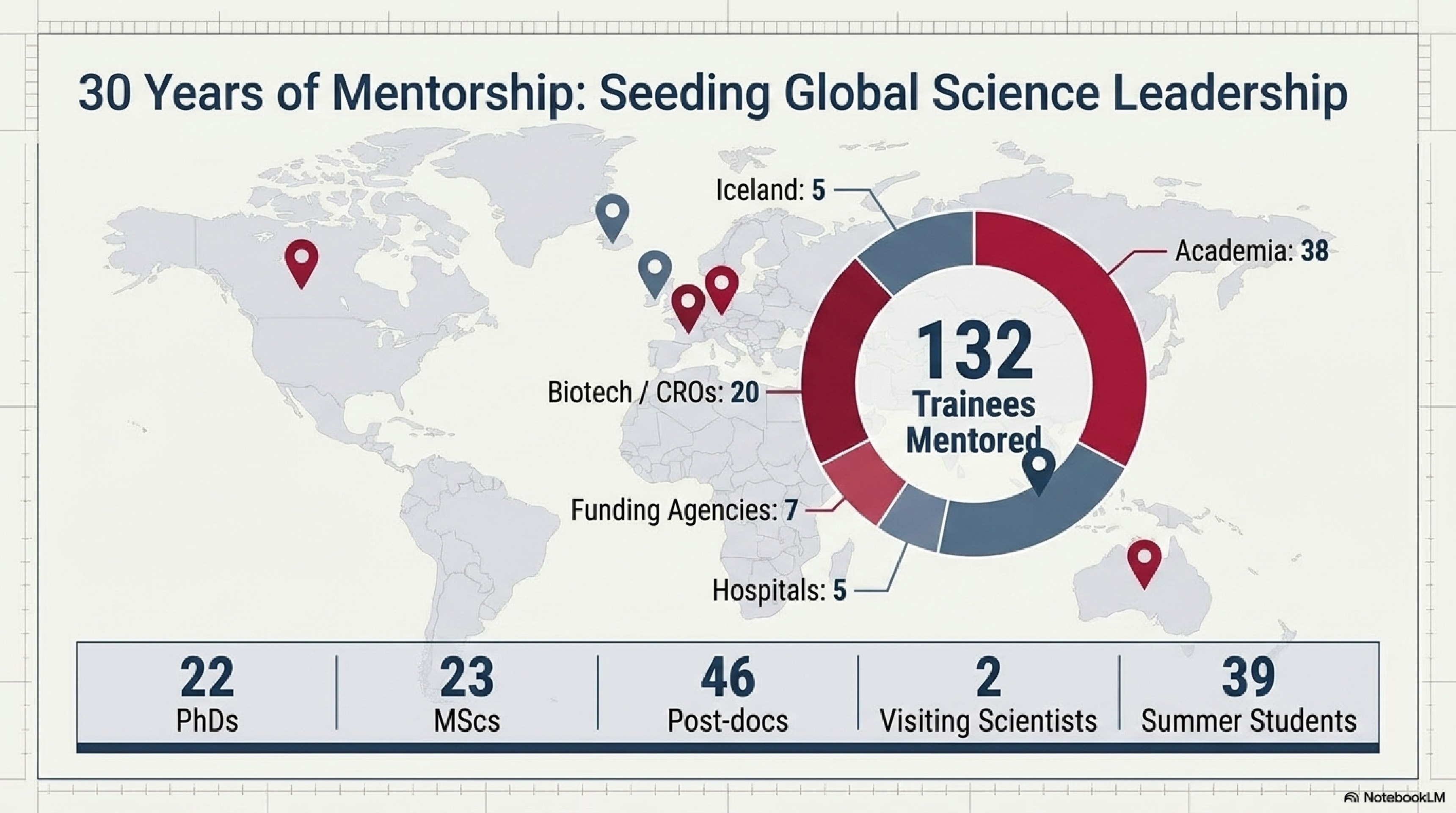
30 years of mentorship: seeding global science leadership
132 trainees mentored across academia, biotech/CROs, funding agencies, and hospitals worldwide — including 22 PhDs, 23 MScs, 46 post-docs, 2 visiting scientists, and 39 summer students.
Advancing science, transforming patient care
From mapping the epigenetic control of stem cells to bringing UM171 to global clinical trials, the lab remains dedicated to discovering actionable vulnerabilities in cancer and engineering the future of hematopoiesis.